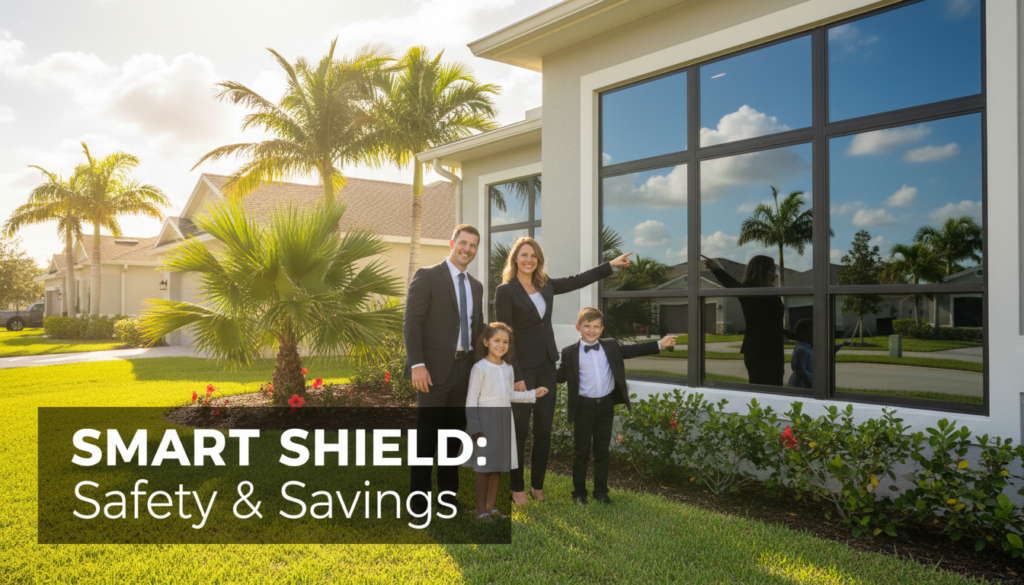
Could a single upgrade to your house cut annual costs and boost storm safety? Many people wonder if installing high-quality impact windows can lead to real savings on premiums while also protecting their family during hurricane season.
From June through November, hurricane threats make property protection a top priority. Insurance companies often reward proactive steps with discounts, so upgrading your window systems can offer both safety and long-term financial benefits for your household budget.
This short guide will show how proactive storm protection may save you hundreds or even thousands of dollars over time. You’ll get clear points to help decide if that investment fits your home plans and budget.
Key Takeaways
- Hurricane season runs June to November, so timing matters.
- Insurers often offer discounts for certified storm protection.
- Upgrading your window systems can improve safety and value.
- Potential savings may total hundreds to thousands over time.
- Weigh upfront costs against long-term household benefits.
Understanding the Threat of Florida Hurricane Season
Each year from early summer to late fall, strong storms test how well your property stands up to wind and rain.
Hurricane season runs from June through November and brings sustained wind and heavy rain to many coastal areas. Counties such as Miami-Dade, Palm Beach, Hillsborough, and Broward face higher chances of severe damage during these months.
Preparing your home for a major event is essential. High winds and flying debris can cause structural damage to houses that lack proper protection. Many residents find that upgrading key features helps protect their family and assets.
Below is a quick comparison to help you prioritize actions this season.
| Risk Factor | Common Effect | Suggested Protection |
|---|---|---|
| High wind speeds | Roof and window damage | Reinforced openings and roof ties |
| Flying debris | Glass breakage causing water damage | Laminated glazing and shutters |
| Heavy rain | Flooding and interior damage | Elevated barriers and gutter maintenance |
What Are Impact Windows and How Do They Work
Engineered glazing uses bonded layers to stand up to extreme pressure and flying debris.
Laminated Glass Technology
These units pair two glass panes with a clear interlayer such as polyvinyl butyral (PVB). That film holds shards together so the glazing rarely breaks free when struck.
The laminated assembly absorbs energy and flexes under load. That reduces the chance of full penetration during high winds.
Protection Against Debris
When projectiles hit, the outer pane may crack, but the interlayer keeps the opening sealed. This prevents wind and water from rushing into your home.
“Laminated glass keeps your interior safer by stopping glass from scattering and slowing wind pressure changes.”
- Engineered glass keeps the opening intact under extreme pressure.
- Proper installation ensures frames and doors work with the glazing for full protection.
- High-quality units add security versus standard window options and help shield against debris.
Do Impact Windows Reduce Homeowners Insurance in Florida
When your home shows clear wind-mitigation features, insurers typically offer better rates.
You can often see major savings. Florida data shows many owners save between 25% and 45% on the windstorm portion of their premiums after installing certified impact windows. That range reflects lower risk for insurers and fewer expected claims during a storm.
The Florida Department of Financial Services confirms that homes with these upgrades are less likely to suffer severe damage. As a result, many insurance companies must offer discounts for qualifying homes.
To capture those insurance savings, contact your carrier and ask how much your premium might change. Insurers calculate rates by risk, and verified mitigation lowers that score.
Quick checklist:
- Get a wind mitigation inspection.
- Keep certification and permits handy.
- Ask your insurer about available discounts and timing.
The Role of Wind Mitigation Inspections
A wind mitigation inspection documents how well your roof and openings will stand up to strong gusts.
This inspection is a required step to show insurers that your home has real resistance to wind damage. A licensed inspector evaluates roof shape, roof-to-wall connections, and the protection of all exterior openings like window and door units.
The inspector checks for code-compliant sealing, attachment methods, and features such as secondary water resistance. Each item is recorded so insurers can verify the level of protection your property offers.
What Inspectors Look For
- Roof type and secure roof-to-wall connections.
- Verified protection on all openings to limit wind and water entry.
- Documentation that windows and doors meet local building codes.
- Notes on fortified roofs and installed impact-resistant window systems.
Proper documentation from a mitigation inspection is essential for insurers to adjust your premium and apply any available discounts. If you need help preparing paperwork or want certified installation details, consider reading about professional options like professional impact window installation.
Meeting Florida Building Code Requirements
To capture a policy credit, every exterior opening must match current code and carry proper paperwork.
Products must carry a Notice of Acceptance (NOA) from Miami-Dade or meet Florida Product Approval standards to qualify for full wind mitigation credits.
Proper installation matters. DIY work often fails to meet the strict installation and pressure-tested requirements that insurers and inspectors look for.
All exterior openings — every window and door — must be protected and documented to satisfy mitigation criteria. Missing proof can disqualify your policy from discounts.
Keep product approvals, permits, and final inspection records handy. Presenting complete documentation speeds approval and helps you secure available premium credits.
| Requirement | What It Shows | Why It Matters |
|---|---|---|
| Notice of Acceptance (NOA) | Product tested for wind pressure | Verifies performance for insurer credits |
| Full openings protection | All windows and doors covered | Ensures whole-house mitigation rating |
| Certified installation | Installer records and permits | Prevents denial due to improper fit |
For step‑by‑step help with compliant installation and paperwork, consider resources like install hurricane impact windows.
Additional Financial Benefits Beyond Insurance Savings
Storm-ready glazing often returns value through comfort, safety, and lower utility bills.
Energy Efficiency Gains
Certified impact windows provide solid insulation that keeps your house cooler during hot months. That lowers monthly energy costs and eases pressure on your AC.
The laminated glass also blocks UV rays. Your flooring and furniture keep color longer, so you avoid replacement costs.
Enhanced Home Security
These units are much harder to breach than standard glass. That adds a layer of protection against both storm damage and break‑ins.
Your doors and openings become part of a stronger security system that buyers notice.
Increased Property Value
Upgrades that combine safety and efficiency raise curb appeal and market value. Buyers often pay more for a property with tested glazing and sealed openings.
Lower utility bills, quieter rooms, and UV protection are practical selling points that help justify your investment.
| Benefit | What it Means | Typical Result |
|---|---|---|
| Insulation | Less heat transfer through glass | Lower energy costs |
| UV protection | Blocks harmful rays | Less fading of interiors |
| Security | Stronger glazing and frames | Better storm and burglary resistance |
| Resale appeal | Certified upgrades on record | Higher property value |
Comparing Costs and Long Term Investment Value
Before you decide, compare the sticker price with years of lowered premiums and fewer storm claims.
Per-unit costs typically run from $500 to $1,200. Larger frames and premium glazing push the price up. For an entire home, expect a range near $8,000 to $15,000 depending on size and finish.
That upfront cost looks large, but you should weigh it against projected savings. Lower annual premiums and fewer repair claims can recover much of the expense within a few years.
Insurance companies view certified openings as a clear way to limit future damage. Many insurers offer credits that compound over time and reduce your yearly premiums.
“Compare the total replacement cost with potential hurricane losses to see the true value of the upgrade.”
To make a practical plan, list your current premium, estimate the likely credit, and divide the net investment by annual savings. This gives a simple payback period you can use to judge value.
| Item | Range | Why it matters |
|---|---|---|
| Per window | $500–$1,200 | Sets baseline for budgeting |
| Full home | $8,000–$15,000 | Shows total investment |
| Typical savings | 25%–45% (wind portion) | Shortens payback time |
- Tip: Ask insurers for an estimate before you install so you can compare actual premiums to expected savings.
- Factor resale value and energy savings when you calculate long-term return.
Essential Steps to Secure Your Premium Discount
Follow a clear process so your policy reflects the protection you installed.
Documentation You Must Provide
Start by gathering all approvals, permits, and the official report from your wind mitigation inspection.
Submit proof of professional installation that lists each upgraded window and doors model so your carrier can verify compliance with requirements.
- Provide the mitigation inspection report and any product approvals.
- Include signed installation certificates and final permits.
- If you kept shutters, consult your carrier to compare discounts for shutters versus impact windows.
After you file paperwork, follow up with your agent to confirm the premium change and that discounts applied to your policy.
| Document | What It Shows | Next Step |
|---|---|---|
| Wind mitigation inspection | Verified openings and protection level | Send to carrier; request credit |
| Installation certificate | Professional work and product IDs | Attach to claim for compliance |
| NOA / product approval | Tested performance for openings | Keep on file; provide on request |
Why Professional Installation Matters for Your Policy
A licensed team that follows code helps convert physical upgrades into real premium savings.
Professional installation by a company like The Window Solutions Group is critical. They specialize in Florida-code-compliant fits so your impact windows qualify for credits and meet mitigation inspection requirements.
Sylvia Arauz from Tampa, Hillsborough County, says hiring pros made the project simple and stress-free. Her installer handled permits and provided the final paperwork for the inspection.
DIY work or unverified contractors can leave gaps at openings and void your chance for a lower premium. A certified crew seals each frame, fits tested glass, and documents every unit so insurance companies can verify compliance.
- Proper seals and attachment meet strict requirements.
- Installers supply the certificates inspectors need.
- Reputable companies speed up agent approval and crediting.
“Professional help made the entire upgrade process simple and provided peace of mind.”
Conclusion
Making openings storm-ready brings clear safety and financial benefits.
Impact windows protect your home from hurricane damage and can unlock real insurance savings when you meet mitigation rules. Get professional installation and keep all permits and product approvals handy.
These upgrades add useful features like UV control and better efficiency. They boost property value and lower the chance of costly water or wind claims after a storm.
Talk with your agent, submit the inspection report, and confirm any discounts. Taking these steps now turns a smart investment into ongoing peace of mind for your home.
FAQ
Will installing impact-rated glass lower my insurance premium?
Many insurers offer discounts when your home has tested, code-compliant impact-rated glazing or certified storm doors. The exact reduction depends on your carrier, your zip code, and the combination of other mitigation features like roof-to-wall ties and secondary water resistance. Expect to request a wind mitigation inspection and submit the resulting report to your insurer to qualify.
How do wind mitigation inspections affect my policy?
A licensed inspector documents features that reduce wind and debris damage risk. Insurers use that report to calculate credits for things like reinforced openings, roof covering, and shutters. You should book the inspection after upgrades are complete so the inspector can verify installation and provide the form your carrier requires.
What documentation will my insurance company need to grant a discount?
Keep manufacturer product approvals, installation certificates, and the wind mitigation inspection form. Product approval numbers show compliance with Florida Building Code, and installer receipts prove professional fitting. Photos and the lab reports for laminated or tempered glass can speed up approval.
Can replacement windows qualify if they don’t have specific code approvals?
Insurers typically require evidence that openings meet Florida Building Code or hold a Florida Product Approval. If your windows lack formal approvals, you may get a smaller or no discount. Always check product documentation before purchase to avoid surprises.
Besides premium savings, what other financial perks can you expect?
You may see lower deductibles for wind damage, fewer claims after storms, and higher resale value. Added benefits include potential energy bill reductions from better glazing and reduced repair costs after hurricanes or wind-driven debris events.
Do shutters or other protections influence the discount?
Yes. Insurers award credits for a range of mitigation features. Removable or permanent shutters, garage door bracing, and reinforced roof systems all add up. A combination of openings protection plus structural improvements usually yields the largest premium relief.
How important is professional installation to keep your premium savings?
Very important. Improper installation can void product approvals and make the mitigation ineligible. Insurers and inspectors expect certified installers and completion paperwork. Use contractors familiar with local codes and insurance requirements.
Will energy-efficient glazing affect my homeowners policy?
Energy-efficient glazing itself doesn’t usually change your premium, but it offers indirect value. Lower energy costs and reduced sun damage increase comfort and home longevity, which insurers consider favorable. Some carriers also view newer, well-maintained components as lower risk.
How do you estimate payback time for this upgrade?
Calculate upfront cost against annual premium savings, reduced deductible exposure, and fewer repair risks after storms. Add expected energy savings and resale value. In many coastal and high-wind areas, combined savings and risk reduction can justify the investment within a decade.
Are there limits to the discounts insurance companies will give?
Yes. Each insurer sets caps and rules for combining credits. Some carriers reduce premiums more for structural improvements than for glazing alone. Speak with your agent to learn caps, eligibility windows, and whether discounts apply immediately or after your next renewal.
If you live outside high-risk zones, will you still get a meaningful break?
You might, but savings are often smaller where wind exposure is lower. Insurers focus discounts in areas prone to hurricanes and high wind. Still, you gain protection and potential energy benefits regardless of location.
How do product approvals and the Florida Building Code tie into savings?
Products with Florida Product Approval or Miami-Dade/ASTM lab results demonstrate proven resistance to windborne debris and pressure. Insurers rely on those certifications when awarding discounts, since they match accepted code standards and testing protocols.
Will claims history change after installing protective glazing and doors?
Fewer storm-related losses are common after upgrades. That can stabilize future premiums and reduce the chance of non-renewal. Still, maintain records and report changes to your carrier to ensure your policy reflects the improved risk profile.
Should you talk to multiple companies before making upgrades?
Yes. Different insurers value mitigation differently. Check quotes from major carriers like State Farm, Allstate, Universal Property & Casualty, and local Florida insurers to compare potential savings and requirements before you invest.
How often should you update documentation with your insurer?
Submit documentation as soon as installations finish and after any major renovation. Update forms at renewal or whenever you add qualifying features. Keeping records current ensures you capture all eligible discounts.