
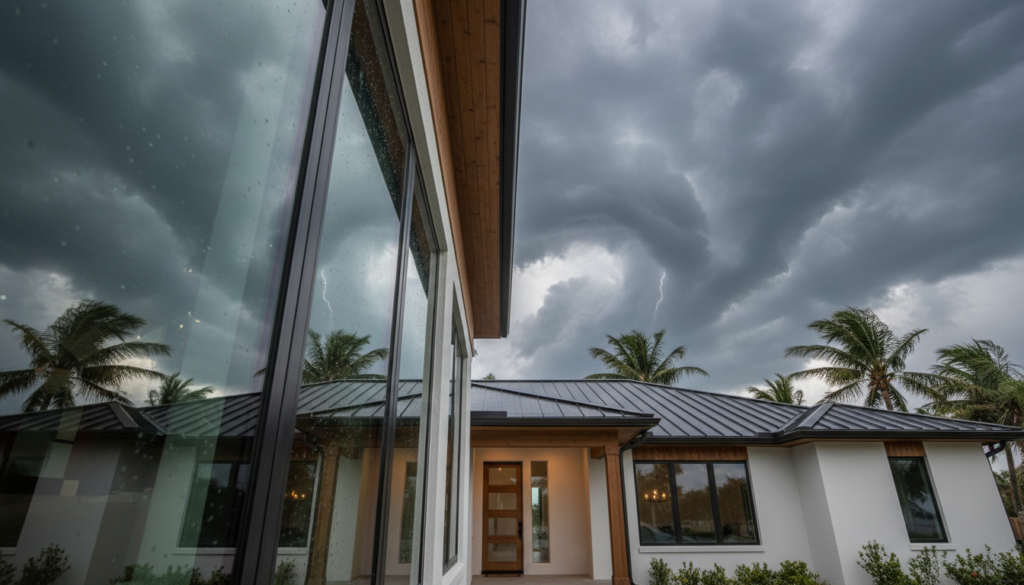
Have you ever wondered if a single upgrade could change how safe your home feels during storm season? This question cuts to the heart of a tough choice many homeowners face. You must weigh upfront costs against long-term safety and calm.
Deciding whether to invest means looking at local risks, property needs, and budget. Every address can face strong storms, so understanding your specific requirements helps you decide. Think about repair bills, insurance savings, and daily peace of mind.
We will walk you through the balance between initial price and lasting protection. You’ll learn practical steps to evaluate options for your family and property. Use this guide to make a clear, confident choice that suits your home and goals.
Key Takeaways
- Assess local storm risk and your property’s needs before spending.
- Compare upfront cost with potential repair savings and insurance benefits.
- Prioritize long-term safety and comfort for your family.
- Get quotes and certifications to ensure product performance.
- Make a plan that fits your budget and peace-of-mind goals.
Understanding the Florida Hurricane Window Landscape
Start by knowing how local rules and wind hazards shape your choices.
The state code sets tough rules. The 8th Edition (2023) Florida Building Code dictates how glazed openings must perform. In High-Velocity Hurricane Zones such as Miami-Dade and Broward, structures must resist winds of 170–180 mph.
Testing standards matter: TAS 201, 202, and 203 define pass/fail criteria for impact-resistant products. Many standard windows fail those tests, so product selection is not optional for high-risk areas.
High-Velocity Hurricane Zones
Homes located inside HVHZ face extreme wind loads. If you live here, replacing old glass with certified impact windows helps protect the building envelope and interior contents.
Wind-Borne Debris Regions
Flying debris can breach openings and raise internal pressure. That breach often causes most structural damage during storms. Building code requires impact glass for all glazed openings to lower that risk.
| Requirement | Where | Standard |
|---|---|---|
| Wind speed design | HVHZ (Miami-Dade, Broward) | 170–180 mph |
| Glazing tests | All high-risk areas | TAS 201 / 202 / 203 |
| Code edition | Statewide | Florida Building Code, 8th Ed. (2023) |
Are impact windows worth it in florida hurricane zones for your home
Start by checking where your property sits and how old the current glass and frames are.
If your roofline or lot faces frequent strong winds, replacement may be the right move. Older frames and single-pane glass often fail modern tests. Many homeowners choose impact-rated units to meet updated code and add a steady layer of protection.
Quick checklist for your decision:
- Confirm whether your address falls inside designated wind-borne debris areas or HVHZ.
- Note the age and condition of existing frames and seals.
- Compare local code requirements with product certifications and quotes.
Upgrading removes the need for last-minute storm prep. You gain permanent protection and easier insurance conversations. Think about long-term value for your home, not just upfront cost.
| Factor | When to Upgrade | Benefit |
|---|---|---|
| Age of glazing | Older than 20 years | Better seal, fewer leaks, improved safety |
| Location | Wind-borne debris areas | Meets building code, reduces breach risk |
| Insurance | Eligible for discounts | Lower premiums, faster claims handling |
| Daily convenience | Prefer no shutters | Permanent protection, less prep time |
The Physics of Envelope Protection
A single broken pane can start a chain reaction that threatens your whole roof. That breach lets outside air rush inside. Pressure rises fast. The result can be catastrophic for the building.
The Internal Pressurization Cascade
When a window breaks, internal pressure can lift a roof. Tests use a 2×4 stud fired at 50 fps to mimic flying debris striking glass. If the opening fails, wind gets inside and creates uplift forces on the roof structure.
The danger is shown by real events. During Hurricane Andrew (1992), envelope failures helped destroy about 63,500 homes across the region.
- Catastrophic failure often begins with one broken opening that compromises the envelope.
- Internal pressurization produces massive uplift that can tear roofs from framing.
- Impact-rated glass and strong frames stop debris from breaching the barrier and stop the cascade.
Install certified units to protect home and reduce roof risk. A sealed envelope keeps internal pressure stable and helps preserve the rest of your structure and your daily safety.
Comparing Impact Windows to Hurricane Shutters
One choice gives continuous safety while the other saves cash today but asks for time when storms approach.
Deployment convenience
You get permanent protection with impact windows that stay closed and sealed all year. That removes last-minute prep and saves time before storms. Shutters can offer similar protection, but you must install them when a threat appears. This adds effort and possible delays.
Cost comparison
Initial cost for shutters is usually lower than for impact windows. But factor in labor for installation each event, and potential replacement after debris strikes. For many homeowners, the long-term cost gap narrows once insurance discounts and fewer repairs are counted.
Maintenance requirements
Shutters need periodic checks of tracks, fasteners, and panels. Impact glass and sealed frames demand little upkeep beyond cleaning. Both choices must meet local code and debris testing to qualify for insurance credits.
| Feature | Impact Windows | Shutters |
|---|---|---|
| Deployment | Always installed, no action needed | Manual or motorized setup before storms |
| Upfront cost | Higher | Lower |
| Maintenance | Low — clean glass and check seals | Medium — hardware and panel checks |
| Insurance | Often better discounts | May qualify if certified |
Financial Benefits and Insurance Savings
A single upgrade to certified openings can change your insurance profile fast.
Installing impact windows often qualifies your home for wind mitigation credits. Those credits can lower annual insurance premiums and pay back part of the cost over several years.
You also cut potential repair bills. Rated glass and sturdy frames stop breach events that lead to costly roof and interior damage.
Many carriers reward homes that protect all openings, including doors and windows, with verified materials. That reduces your risk profile and can unlock higher discounts.
- Lower premiums through wind mitigation credits.
- Fewer repair expenses after serious storms.
- Higher resale value from certified upgrades.
| Benefit | Result | Why it matters |
|---|---|---|
| Insurance credits | Premium reduction | Lowers annual cost |
| Full openings protection | Better discounts | Shows lower claim risk |
| Certified glass & frames | Higher resale value | Return on investment |
Bottom line: These savings and reduced damage risk make impact windows a smart financial move for many homeowners. Check quotes and verification documents to confirm local discounts and true cost reduction.
Energy Efficiency and Daily Comfort
A better seal and layered glass cut both heat and noise, so your living room stays calm.
Energy efficiency improves when laminated glass reduces solar gain and air leakage. Lawrence Berkeley National Lab data shows these units can lower cooling loads by 15–25%. That often translates to real monthly savings on your electric bill.
Noise Reduction and UV Protection
You’ll hear less street noise because multi-layered glazing dampens sound. This noise reduction makes bedrooms quieter and improves sleep quality.
These units also block much of the sun’s UV rays. That protects carpets, art, and furniture from fading and keeps interior temperatures steadier during long summer days.
“Upgrading glazing can change daily comfort and lower operating costs, while adding a layer of security you notice every day.”
- Cooling savings: 15–25% lower energy use per lab data.
- Quieter rooms: Reduced outside noise for better rest.
- UV defense: Less sun damage to fabrics and finishes.
For balanced benefits—comfort, savings, and added security—consider certified units and pro installation. Learn more about professional options through this short guide on impact window installation.
Navigating Building Codes and Permitting
Before you sign a contract, know how local codes can change the scope of a simple window swap.
The 25% rule can trigger full-code upgrades when you replace a large share of your glazed openings. If your planned replacement exceeds that threshold, you may need to update framing, flashing, or other parts of the building envelope.
You must pull permits for most replacement work. Permits protect your property and help ensure the finished job meets wind and debris requirements for your area.
Hire a licensed contractor who knows local code checks. They can reduce failed inspections and clarify what proof your insurer will accept after installation.
- Confirm permit needs before you sign.
- Ask about the 25% rule and expected scope.
- Get documentation that shows code compliance for insurance.
| Requirement | Why it matters | Who enforces |
|---|---|---|
| Permits | Verify safe replacement | Local building dept. |
| Code upgrades | Reduce breach and roof risk | Inspectors |
| Certified products | Unlock insurance credits | Insurance carriers |
For detailed guidance on documentation and specific tests, see the building code for impact openings.
The Reality of Professional Installation
How your openings are anchored matters as much as the glass you choose.
Professional installation is the single most critical factor to ensure certified products perform during a severe wind event. A skilled crew follows the manufacturer’s fastening pattern, seals edges, and ties frames back to the building structure.
The Importance of Proper Anchoring
When anchors are set into framing correctly, the window or door resists uplift and shear forces. That prevents units from popping free when pressure swings during a storm.
Even high-rated glass will fail to protect your home if the frame is loose or fasteners are wrong. Improper work can put roof, walls, and occupants at risk.
- Hire licensed installers who show product certificates and a proven track record.
- Confirm anchoring specs match the manufacturer’s instructions and local code.
- Require a post-install inspection and documentation for insurance.
| Step | Why it matters | Result |
|---|---|---|
| Manufacturer anchoring | Ensures proper load transfer | Secure attachment to building |
| Licensed crew | Reduces installation errors | Higher long-term safety |
| Final inspection | Confirms code and warranty | Insurance-ready documentation |
Bottom line: Choose professional installation to protect your investment and keep your home safe during storms. Proper anchoring plus certified products gives you reliable protection and real peace of mind.
Debunking Common Myths About Storm Protection
Some popular ideas about protecting your house simply don’t hold up under testing.
Shutters always save money. You can buy cheaper panels up front, but repeated setup, storage, and repairs cut into savings. Permanent solutions pay back with energy savings and higher resale value.
Older homes dodge modern code. A partial replacement can trigger upgrades. That means your project may need current materials and documentation to meet building rules.
- Standard glass gives almost no defense when debris strikes.
- Protection matters across the state, not just along the coast; strong winds and storms can happen wide and fast.
- Proper installation is a one-time cost that beats repeated labor for shutters.
| Myth | Fact | What you gain |
|---|---|---|
| Shutters always cheapest | Lower upfront, higher lifecycle cost | Energy savings, value, ease |
| Old homes exempt | Replacement can trigger code work | Compliance, insurance proof |
| Standard glass protects | Fails against flying debris | Risk to roof and interior |
Long-Term Value and Resale Potential
Buyers pay extra for features that save money and lower risk.
Installing impact windows often raises your home’s market appeal. Certified glazing signals safety and adds curb appeal that buyers notice quickly.
Energy efficiency gains and insurance savings help offset the initial cost over years. That makes the upgrade more attractive at resale time.
Homes with impact-rated glass sell faster. Buyers value the protection, security, and reduced storm prep compared with shutters or standard panes.
Noise reduction and UV blocking increase daily comfort. Those practical benefits add to perceived home value and help listings stand out.
- Higher resale price from certified upgrades
- Faster sales because buyers want lower risk
- Long-term savings on energy and insurance premiums
| Benefit | Result | Why it matters |
|---|---|---|
| Certified glass | Higher listing value | Shows verified protection and security |
| Energy efficiency | Lower operating cost | Month-to-month savings for buyers |
| Insurance savings | Reduced premiums | Offsets installation cost over time |
Conclusion
One thoughtful upgrade can shift your home from last-minute scrambling to calm, year-round readiness.
, Choosing certified impact windows gives clear protection for your home during any storm. High-quality glass and proper installs add real security and noise reduction. You also get steady energy savings from better seals and improved efficiency.
Those benefits often cut insurance costs and lower long-term repair bills. You trade repeated prep work for permanent defense that helps maintain comfort and value across all areas of the state.
Next step: talk with licensed pros, review certifications, and get quotes that show true savings and safety for your window choices this season.
FAQ
What makes impact-rated glass better than standard windows for storm protection?
Impact-rated glass uses laminated layers that resist shattering from debris and keep the opening sealed. That prevents wind and water from entering, which cuts the risk of roof uplift and structural damage caused by internal pressurization during major storms. You get continuous protection without relying on temporary covers like plywood or roll-down shutters.
Will upgraded glazing lower your homeowners insurance premiums?
Many insurers offer discounts for certified hurricane-resistant glazing and reinforced frames. Savings vary by carrier and county, but you can often recoup part of the investment through reduced premiums and fewer claim losses after storms. Check with companies like State Farm, Allstate, or local providers for specific credits and documentation required.
How do costs compare between impact-rated windows and shutter systems?
Upfront, laminated windows typically cost more than basic storm shutters. But windows deliver year-round benefits—noise reduction, UV blocking, and energy efficiency—while shutters are mostly seasonal. Over time, energy savings, insurance credits, and increased resale value can narrow that cost gap.
Do these products help with energy bills and comfort?
Yes. Laminated glass often includes low-E coatings and insulated frames that reduce heat transfer and solar gain. That lowers AC runtime and keeps indoor temperatures steadier, which helps your energy bills and daily comfort in hot coastal climates.
How effective are they at reducing outside noise and UV damage?
Laminated glazing dampens sound better than single-pane glass, cutting street and wind noise noticeably. It also blocks most UV rays, protecting furniture and flooring from fading. Expect a quieter home and improved interior longevity compared with standard glazing.
Are there building code or permitting hurdles to install certified products?
You must meet local codes and get permits for replacement windows in many Florida counties, especially within High-Velocity Hurricane Zones (HVHZ). Certified products that meet ASTM or Miami-Dade County approvals streamline permitting, but you still need a professional installer to file the paperwork and ensure compliance.
How important is professional installation versus DIY replacement?
Proper installation is critical. Even the best glazed units fail if anchors, flashing, or structural openings aren’t handled correctly. Certified contractors follow manufacturer specs and local code, ensuring correct anchoring and sealing so the system performs during extreme winds and debris impact.
Can impact-rated glass prevent theft or break-ins as well as storms?
Laminated glass offers better forced-entry resistance than single-pane glass. It slows or deters intruders because the inner layer holds fragments together. While not a replacement for dedicated security systems, it adds a meaningful layer of protection for doors and windows.
How do these systems perform against internal pressurization during a storm?
Keeping exterior openings intact prevents rapid internal pressurization that can lift roofs and fail walls. When glazing and frames stay sealed, your home’s envelope remains stable, which reduces cascade failures that cause the most catastrophic hurricane damage.
What maintenance do laminated windows require compared to shutters?
Laminated windows need routine cleaning, occasional seal and hardware checks, and weatherstrip replacement over time. Shutters require storage, mechanical upkeep, and corrosion checks. Overall, glazed systems demand less seasonal work and offer continuous protection without deployment hassles.
Will adding these windows raise my home’s resale value?
Upgraded, certified glazing increases curb appeal and marketability in coastal areas. Buyers in hurricane-prone regions value built-in protection, energy savings, and quieter interiors, which can translate to higher offers and faster sales compared with homes that rely solely on temporary shutters.
Are there size or opening limits for certified laminated products?
Manufacturers and codes set limits based on testing for specific sizes, frame types, and wall attachments. Large picture windows and certain door assemblies may require reinforced framing or additional certification. A licensed supplier can match products to your opening and local code requirements.
Do you still need shutters if you have certified glazing?
In most cases, no. Certified glazing is designed to replace the need for temporary shutters. However, some homeowners add exterior protection for redundancy or added privacy. Consult local code and your insurer to confirm accepted configurations.
What brands or standards should you look for when choosing products?
Look for units tested to ASTM standards and approved by Miami-Dade County or Texas Department of Insurance where applicable. Reputable manufacturers include PGT, CGI, and Andersen for coastal-rated offerings, and certified local dealers can supply documentation required for permits and insurance.
How long do laminated systems last, and what about warranties?
Lifespans vary, but high-quality systems often last 20–30 years with proper care. Manufacturers typically offer glass and frame warranties, while installers provide workmanship guarantees. Keep records and maintenance receipts to preserve warranty coverage and insurance benefits.
How should you budget for replacement across a whole home?
Plan by window type and size—small casements cost less than large fixed units or sliding glass doors. Factor in permit fees, removal of old units, and any structural work. Get multiple bids from licensed local contractors and compare total installed cost plus projected insurance savings to set a realistic budget.