
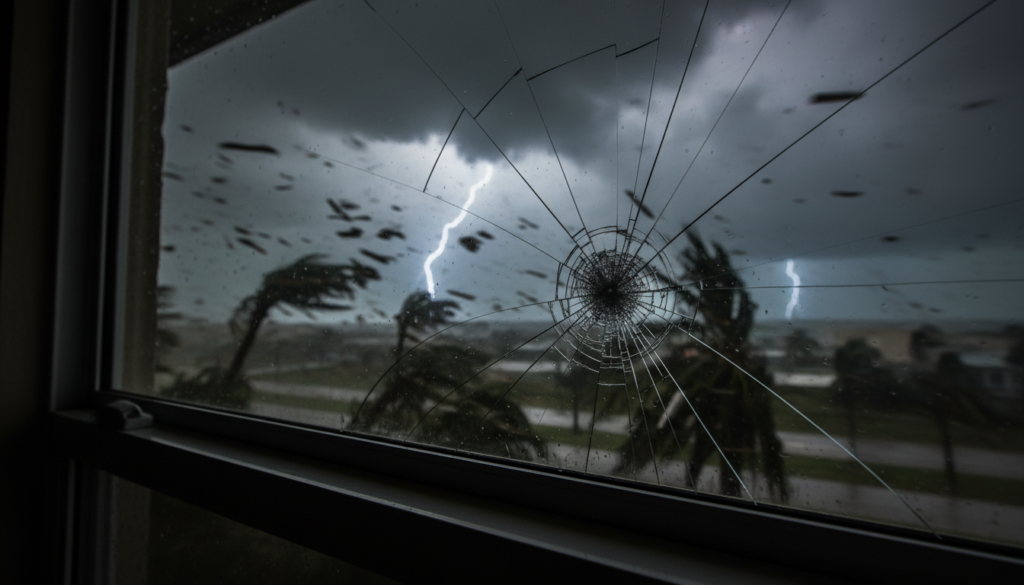
Have you ever wondered if your investment truly shields your family when winds grow fierce?
Many homeowners ask this same question because they want to make sure their home has reliable protection. Impact windows are built to hold glass in place so shards do not fly into living spaces.
These systems resist flying debris and high-velocity gusts, yet they are not indestructible. In rare cases, panes may crack but stay intact, which still reduces injury and interior damage.
If you want clear answers about how impact-resistant windows perform under extreme loads, talk with local experts. Call 561-623-8446 to learn how hurricane windows and sturdy windows doors help protect home safety and reduce repair cost.
Key Takeaways
- Impact windows offer strong protection that keeps glass from shattering inside your home.
- Panes may crack from debris yet often remain in place, limiting damage.
- Impact-resistant windows and hurricane windows add safety and long-term benefits.
- South Florida homeowners favor these products for wind and rain defense.
- Contact professionals at 561-623-8446 for guidance and free estimates.
Understanding the Basics of Hurricane Impact Windows
When severe winds threaten your property, the right glazing makes a big difference.
What are impact windows
Modern hurricane-rated glazing fuses thin polymer film between two glass layers. Common interlayers include polyvinyl butyral (PVB) or SentryGlass Plus (SGP). That laminated glass holds fragments in place so panes stay bonded after a hit.
Your frame and seal form the building envelope that keeps pressure equalized and rain out. Frames are usually extruded aluminum, reinforced vinyl, or wood paired with aluminum for strength.
- These units provide a sealed barrier that boosts structural resilience.
- A strong frame keeps the glazing anchored when gusts test your roofline.
- Laminated glass offers superior protection compared to older single-pane options.
Understanding how the glazing and frame work together helps you see why many homeowners install these products for both safety and long-term value.
Can Impact Windows Break During a Hurricane or Storm
Even under extreme gusts, properly designed units keep glass intact inside the frame.
Short answer: Yes, panes may crack, yet the laminated glass holds together so wind and rain stay out of your home.
During Hurricane Ian, many homes in Punta Gorda fitted with Caner Impact Windows & Doors remained protected despite flying debris. That real-world result shows how hurricane impact windows limit damage and keep the building envelope sealed.
- The inner film keeps pieces bound, preventing dangerous shards from entering living spaces.
- Maintaining window frames helps avoid pressure changes that can cause roof uplift.
- Even if glass may crack, the unit keeps your home secure and reduces repair needs.
| Result | Laminated Glass | Single-Pane Glass |
|---|---|---|
| After debris strike | Cracks but stays bonded | Shatters into loose pieces |
| Water and wind entry | Blocked | Likely |
| Risk of internal pressure changes | Low | High |
Bottom line: Impact-resistant windows work to protect home structure and people. You gain peace of mind knowing the glazing and frame are designed to keep debris out and reduce catastrophic failure that unprotected homes face.
The Science Behind Laminated Glass and Frame Integrity
A well-engineered unit uses bonded glass and reinforced framing to prevent breaches and preserve interior pressure.
Laminated glass composition
The interlayer—typically polyvinyl butyral (PVB) or SentryGlass—binds two glass plies into one unit.
This film soaks up and spreads out incoming energy. When struck by flying debris, the pane may crack but the pieces stay held together.
The importance of structural frames
Frames use aluminum, reinforced steel, or durable vinyl to stay anchored to your home under high wind loads.
High-strength structural silicone secures the glass to the frame so the whole assembly is built to withstand extreme force.
How energy is dispersed
Energy from an impact moves across the surface and into the interlayer, which prevents a breach and reduces pressure changes inside.
Design matters: that distribution keeps interior spaces safer and stops pieces from falling into living areas.
| Component | Role | Common Materials |
|---|---|---|
| Interlayer | Energy absorption and bonding | PVB, SentryGlass |
| Glazing | Resists penetration; may crack but stays intact | Laminated glass |
| Frame | Anchors unit; prevents pullout | Aluminum, vinyl, reinforced steel |
Meeting Florida Building Code Standards for Safety
You want proof that your openings will hold up when conditions get severe.
Florida requires rigorous testing under its building codes. Every product must pass the Large Missile Impact Test, which fires a 9‑lb 2×4 at about 34 mph to mimic flying debris.
Large missile impact testing
Beyond that hit test, units face cyclical pressure trials to simulate changing wind forces during storms and hurricanes.
The glass and frame are evaluated together so the full assembly proves it is designed withstand gusts up to 175 mph in coastal zones.
“Certified models give homeowners confidence that their openings resist debris and reduce structural damage.”
- Tested for projectile strikes and repeated pressure swings.
- Meets building codes so insurance and safety standards are satisfied.
- Choosing certified hurricane impact windows or impact-resistant windows helps protect your home.
Comparing Impact Windows to Traditional Hurricane Shutters
Many homeowners trade the hassle of shutters for a permanent glazing solution that protects your home year-round.
Always-ready protection: Unlike removable shutters, these units stay in place so you don’t rush to board openings before severe winds arrive. That means less stress and more time to handle other prep tasks.
Light and curb appeal matter. Permanent glazing keeps natural light flowing and preserves your home’s look. Shutters often block views and darken rooms when deployed.
Long-term benefits: Owners report that the long-term value and low maintenance outweigh initial costs. The seamless appearance boosts resale appeal and simplifies upkeep.
- Year-round readiness without manual installation.
- Unobstructed light and improved curb appeal.
- Better daily convenience compared to removable covers.
- Homeowners often prefer the steady protection and lasting benefits.
Bottom line: Upgrading to impact-resistant glazing leaves your home always ready for high winds, while shutters still require planning and effort.
Additional Benefits Beyond Storm Protection
You’ll gain everyday value from these upgraded openings beyond protecting against severe weather.
Noise reduction and UV protection
These laminated glass units deliver quiet rooms by cutting outside noise. That makes your home feel calm even in busy neighborhoods.
The interlayer also blocks damaging UV rays. Your furniture and flooring stay brighter longer, which preserves interior finishes and decor.
Energy efficiency and security
Lower bills: Better glazing and tight seals improve energy efficiency. You keep cooled or warmed air inside, so monthly costs drop.
Stronger defense: The robust design adds security and resists forced entry, giving homeowners real peace of mind.
- IBHS research shows homes with impact-resistant glazing face far less major damage.
- Many insurers offer discounts for certified units, improving your return on investment.
- These products boost resale value and reduce long-term repair and energy costs.
“Investing in high-quality glazing protects belongings, saves energy, and gives lasting peace.”
Conclusion
Choosing upgraded glazing gives you clear protection and less hassle when winds rise.
Make the investment that helps protect home value and family safety. Hurricane impact windows use laminated glass and sturdy frames to hold shards in place even if panes crack under severe force.
These units beat shutters for everyday convenience, energy savings, and lasting security. If you want true peace of mind, upgrade to certified impact windows and hurricane windows now to reduce repair costs and preserve comfort for years.
FAQ
How can impact windows fail when facing hurricane-force winds?
Even with laminated glass and robust frames, your units can sustain damage if debris hits with extreme force, if pressure changes overwhelm seals, or if the installation or frame is compromised. Proper anchoring, correct sash and frame materials like aluminum or reinforced vinyl, and professional fit reduce risk and protect your home.
What exactly are impact-resistant windows and how do they work?
These products use laminated glass—two panes bonded with a tough interlayer—so fragments stay attached instead of scattering. The design keeps the building envelope intact, limits pressure swings, and blocks flying debris, giving you protection and peace of mind.
What role does the building envelope play in storm protection?
Your exterior system—roof, walls, doors, and glazing—must work together. If one element fails, pressure changes can damage otherwise sound glazing. A continuous, well-sealed envelope helps equalize loads and reduces chances of structural or window failure.
Can impact-rated glass shatter but still protect the home?
Yes. Laminated panes may crack under severe impact yet hold in place thanks to the interlayer. That keeps out wind and water and prevents dangerous projectiles from entering, even if the outer glass shows visible damage.
How is laminated glass built to resist debris?
Manufacturers sandwich a polymer interlayer between glass sheets and cure them under heat and pressure. This bond keeps shards together on impact, dissipates energy, and preserves clarity and strength after minor hits.
Why are structural frames as important as the glass itself?
A frame transfers wind loads to the building. If it’s undersized, improperly anchored, or corroded, the assembly can fail despite strong glass. Look for reinforced aluminum, heavy-duty vinyl, and proper fasteners installed to code.
How do these systems disperse energy from impacts and pressure changes?
The glass interlayer absorbs and spreads impact forces while the frame flexes within engineered limits. Together they reduce peak stresses, preventing sudden failures and helping keep your living space protected.
What is large missile impact testing and why does it matter?
This Florida Building Code test fires a 9-pound 2×4 at rated products to simulate severe debris. Passing that test shows the product will stop common high-energy threats and meet regional safety standards.
How do impact-rated windows compare to traditional hurricane shutters?
Windows give continuous protection without deployment time, improve curb appeal, and add insulation. Shutters can be effective but require setup and storage. Many homeowners choose fixed glazing for convenience and year-round benefits.
Do upgraded windows offer benefits beyond storm protection?
Yes. Laminated glazing reduces outside noise, blocks a large portion of UV rays, and improves thermal performance. That means better comfort, lower energy bills, and added home security.
Will installing these units improve energy efficiency and security?
Properly specified frames, Low-E coatings, and insulated glass packages cut heat transfer and help lower HVAC loads. The laminated assembly also makes forced entry more difficult, boosting security.
Are there maintenance or installation tips homeowners should follow?
Hire certified installers who follow local code and use recommended fasteners and flashing. Inspect seals and frame caulking yearly, clear weep holes, and replace damaged components quickly to keep performance intact.